


همه محصولات
-
حفاظت از تشعشعات هسته ای
-
آشکارساز تشعشعات هسته ای
-
محافظ فویل مس
-
درب های محافظ RF
-
ویندوز محافظ RF
-
شیشه سربی محافظ در برابر اشعه
-
کیت ابزار غیر مغناطیسی
-
اتاق محافظ RF
-
دریچه های هوای موجبر لانه زنبوری
-
نوار مسی چسب رسانا
-
مش سیم مسی
-
شیشه سربی اشعه ایکس
-
واشر محافظ EMI
-
پارچه رسانای الکتریکی
-
درب محافظ در برابر اشعه
-
حفاظت در برابر اشعه ایکس
-
ام آر آی فارادی کیج
-
پشم سیم مسی
-
نورپردازی LED MRI
-
ویلچر غیر مغناطیسی
-
برانکارد غیر مغناطیسی
-
 انسدریچه لانه زنبوری برنجی بسیار زیبا به نظر می رسد
 -
 ستایشدرهای MRI/RF با دستگیره می درخشند، ممنون دوست من.
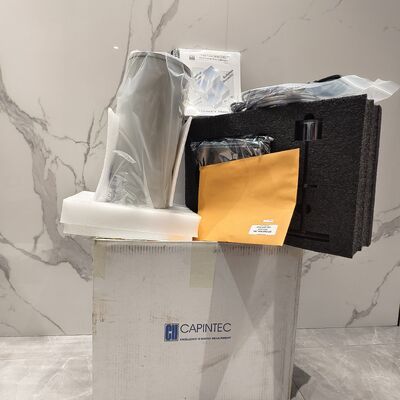
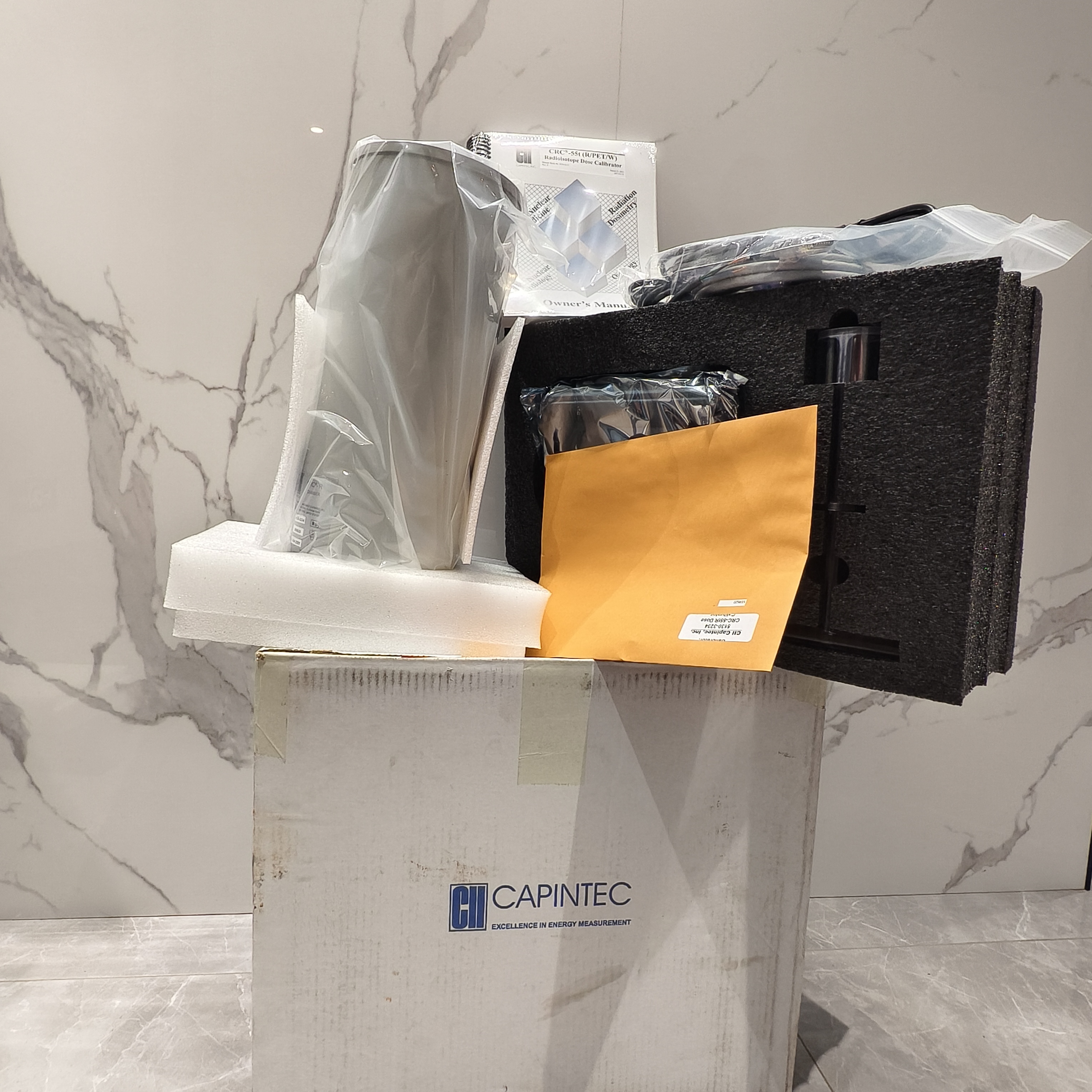
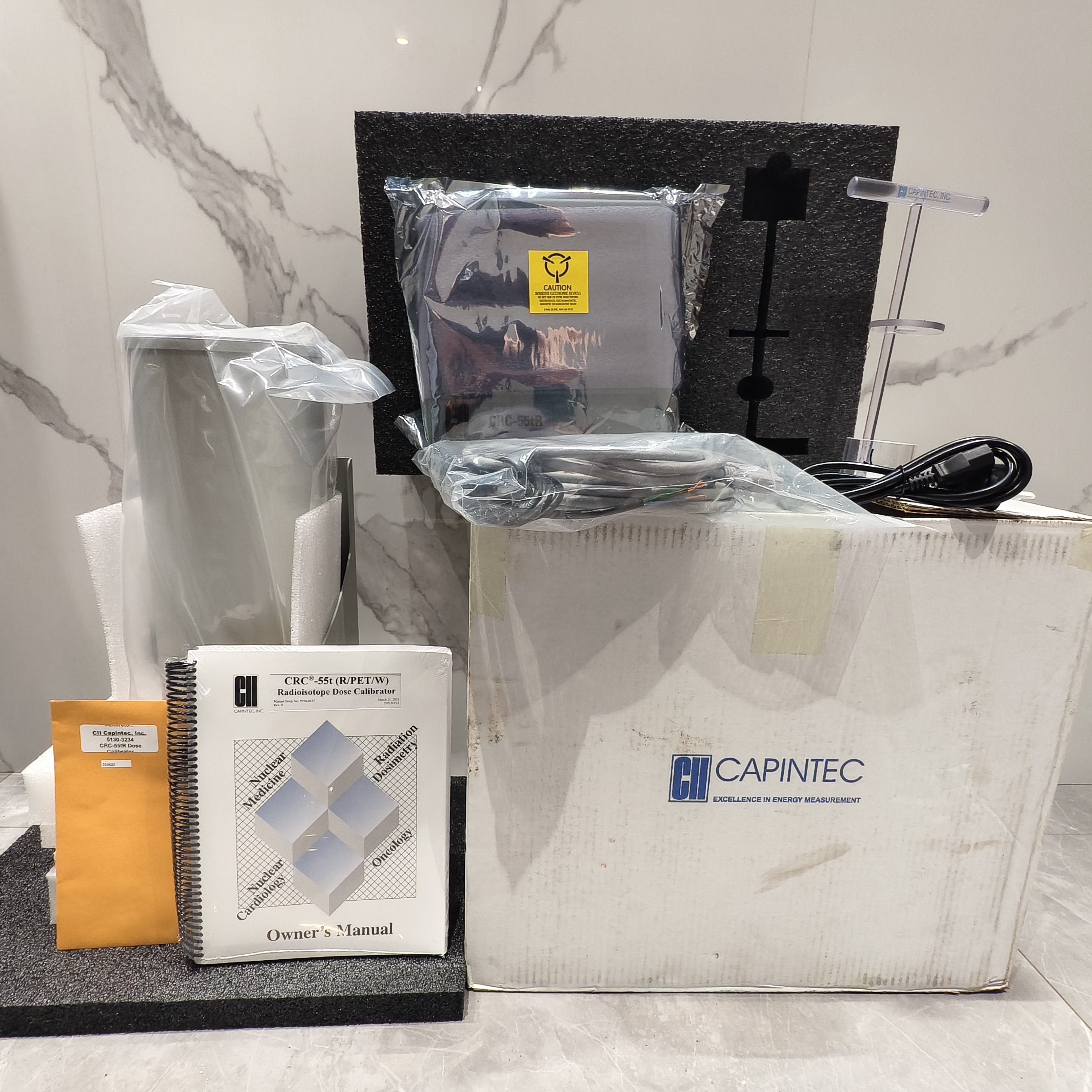
کالیبراسیون دوز با حساسیت بالا برای اندازه گیری سلول های گرم با فعالیت پایین
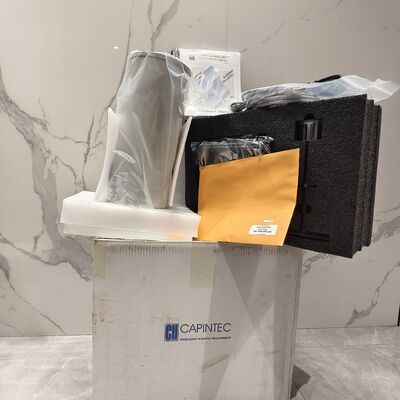
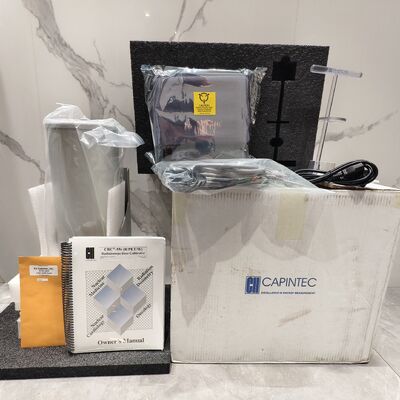
جزئیات محصول
| ذخیره سازی داده ها | تا 1000 خواندن | نوع تشخیص | آلفا، بتا، گاما، اشعه ایکس |
|---|---|---|---|
| محدوده دوز | 0.01-1000µSv/h | وزن | حدود 9.8 کیلوگرم |
| اندازه | 350*250*245 (میلی متر) | دمای ذخیره سازی | -40 تا 60 درجه سانتی گراد |
توضیحات محصول
کالیبراتور دوز با حساسیت بالا برای اندازه گیری سلول های داغ کم فعالیت
معرفی محصول
کالیبراتور دوز با حساسیت بالا برای اندازهگیری نمونههای فعالیت بسیار کم - تا 0.01 μCi (10 نانوکیوری) - با دقت و دقتی طراحی شده است که ابزارهای استاندارد نمیتوانند به آن دست یابند. اندازهگیریهای کم فعالیت برای شناسایی ضایعات، پایش آلودگی و کنترل کیفیت خلوص رادیودارو ضروری است. با این حال، کالیبراتورهای دوز استاندارد حساسیت محدودی دارند زیرا برای فعالیتهای دوز بیمار (محدوده mCi تا Ci) بهینه شدهاند. این ابزار از یک محفظه یونیزاسیون بزرگتر، الکترونیک با نویز کمتر و زمان شمارش طولانی برای دستیابی به حساسیت 100 برابر بالاتر از کالیبراتورهای استاندارد استفاده می کند. آشکارساز در داخل سلول داغ مانند یک کالیبراتور استاندارد نصب می شود، اما حساسیت افزایش یافته آن امکان اندازه گیری مستقیم نمونه ها را فراهم می کند که در غیر این صورت نیاز به انتقال به یک شمارنده با فعالیت کم جداگانه دارند.
محدوده کاربرد
کالیبراتور دوز با حساسیت بالا برای بخش های پزشکی هسته ای طراحی شده است که به اندازه گیری های دقیق کم فعالیت برای انطباق با مقررات یا تضمین کیفیت نیاز دارند. کاربردهای اولیه شامل اندازهگیری فعالیت باقیمانده در ویالها و سرنگهای خالی برای تعیین اینکه آیا محدودیتهای رهاسازی نظارتی را برآورده میکنند (معمولا <0.5 μCi برای رهاسازی نامحدود)، مشخص کردن جریانهای زباله برای طبقهبندی مناسب دفع، انجام آزمایشهای پاک کردن برای بررسی آلودگی، اندازهگیری خلوص رادیوشیمیایی با اندازهگیری مقدار کمفعالیتپذیری نوارها، اندازهگیری خلوص رادیوشیمیایی با اندازهگیری نوارهای اندازهگیری کمفعالیت منابع، و اندازه گیری سطوح تابش پس زمینه در محیط سلول داغ. این ابزار به همان اندازه برای کاربردهای تحقیقاتی شامل ردیابهای کمفعال و برای کنترل کیفیت رادیوداروها که در آن مشخصات خلوص نیازمند تشخیص ناخالصیهای ردیابی است، ارزشمند است.
عملکرد و مزایا
کالیبراتور دوز با حساسیت بالا، فعالیتهای کمتر از 0.01 μCi (10 nCi) را با دقت 10% و فعالیتها را تا 0.1 μCi با دقت ± 5% اندازهگیری میکند. این حساسیت از طریق سه ویژگی طراحی به دست می آید. اولاً، محفظه یونیزاسیون بزرگتر (حجم 250 سی سی) از محفظه های استاندارد (معمولاً 50 تا 100 سی سی) است و رویدادهای یونیزاسیون بیشتری را در هر واحد فعالیت جمع آوری می کند. دوم، الکترومتر از تقویت کننده های کم نویز با کف نویز 1 fA (فمتوآمپر) استفاده می کند - 10 برابر کمتر از ابزارهای استاندارد. سوم، این ابزار از زمانهای شمارش طولانی (تا 60 ثانیه) پشتیبانی میکند، و در صورت نیاز، سرعت معامله را برای حساسیت نشان میدهد. برای اندازه گیری های معمول کم فعالیت، کاربر "حالت حساسیت بالا" را انتخاب می کند و ابزار به طور خودکار زمان شمارش را برای دستیابی به دقت آماری مورد نظر افزایش می دهد. نمایشگر اندازه گیری در حال انجام را نشان می دهد و با جمع شدن داده ها، تخمین خواندن و عدم قطعیت را به روز می کند. کاربر می تواند اندازه گیری را زمانی که دقت کافی به دست آورد متوقف کند یا اجازه دهد تا حداکثر زمان ادامه یابد. برای فعالیت های بسیار کم (زیر 0.1 μCi)، دستگاه یک اندازه گیری دو مرحله ای را انجام می دهد: ابتدا پس زمینه را بدون نمونه اندازه گیری کنید (نتیجه را ذخیره کنید)، سپس نمونه را اندازه گیری کنید. نرم افزار خواندن پس زمینه را کم می کند و فعالیت نمونه خالص را با عدم قطعیت محاسبه می کند. این تفریق پسزمینه برای اندازهگیری دقیق کم فعالیت ضروری است زیرا نویز الکترونیکی و پسزمینه محیطی دستگاه در این سطوح قابل توجه است. این ابزار شامل یک گزینه محافظ محفظه است - یک آستین سربی 2 میلی متری که زمینه محیطی را تا ضریب 5 کاهش می دهد. برای اندازه گیری نوارهای کروماتوگرافی برای ارزیابی خلوص رادیوشیمیایی، ابزار شامل یک نگهدارنده نوار است که نوار را در هندسه بهینه قرار می دهد. کاربر نوار را به بخش هایی (معمولاً 5-10 قسمت) برش می دهد و هر بخش را در کالیبراتور اندازه گیری می کند. نرم افزار فعالیت را در تمام بخش ها جمع می کند، درصد هر بخش را محاسبه می کند و با معیارهای پذیرش مقایسه می کند. این روش به طور قابل توجهی سریعتر و کمتر ذهنی از برش نوارها و شمارش در یک شمارنده چاه است. این ابزار شامل تمام ویژگیهای کالیبراتور دوز استاندارد برای اندازهگیریهای با فعالیت بالا نیز میشود که محدوده کاملی از 0.01 μCi تا 5 Ci را پوشش میدهد. برای بخش های پزشکی هسته ای، مزیت اصلی توانایی انجام اندازه گیری های کم فعالیت در داخل سلول داغ بدون انتقال نمونه ها به ابزار جداگانه است. انتقال نمونه ها برای شمارش کم فعالیت، قرار گرفتن در معرض، خطر آلودگی و زمان دست زدن را افزایش می دهد. کالیبراتور با حساسیت بالا این مرحله انتقال را حذف میکند و جریان کار را ساده میکند و در عین حال دقت را حفظ میکند. برای مدیریت ضایعات، توانایی اندازه گیری فعالیت باقیمانده به طور مستقیم در داخل سلول داغ، شناسایی ضایعات را تسریع می کند و رعایت محدودیت های رهاسازی را تضمین می کند. برای کنترل کیفیت، توانایی اندازهگیری نمونههای کمفعال (مانند نوارهای کروماتوگرافی) با استفاده از همان ابزاری که برای آمادهسازی دوز استفاده میشود، عملیات را ساده میکند. کالیبراتور دوز با حساسیت بالا دامنه کاربردهای کالیبراتور دوز را بدون نیاز به سیستم شمارش کم فعالیت جداگانه گسترش می دهد.
محصولات توصیه شده
-
VIDEO
 VIDEO
VIDEO